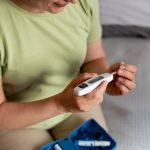




Sugar (Diabetes) Symptoms: Don’t Ignore the Signs
Sugar (Diabetes) Symptoms: Don’t Ignore the Signs — Get Checked Early
“Sugar,” commonly known as Diabetes, is becoming increasingly common across all age groups. Many people ignore early warning signs, thinking they are minor issues. However, untreated diabetes can lead to serious complications affecting the heart, kidneys, eyes, and nerves.
Recognizing the symptoms early and getting timely checkups can make a life-changing difference.
🔍 Common Symptoms of Diabetes
If you notice any of the following signs, it’s important to consult a doctor and get your blood sugar tested as soon as possible:
1. Frequent Urination
One of the earliest signs of diabetes. High blood sugar forces the kidneys to work harder, leading to increased urination—especially at night.
2. Excessive Thirst
Losing more fluids through frequent urination makes you feel unusually thirsty throughout the day.
3. Increased Hunger
Even after eating, you may feel hungry again quickly because your body cannot properly use glucose for energy.
4. Unexplained Weight Loss
Sudden weight loss without dieting or exercise can be a warning sign, especially in uncontrolled diabetes.
5. Fatigue and Weakness
When the body cannot use sugar effectively, energy levels drop, making you feel tired most of the time.
6. Blurred Vision
High blood sugar can affect the eyes, causing temporary or sometimes long-term vision problems.
7. Slow Healing of Wounds
Cuts, wounds, or infections may take longer to heal due to poor blood circulation and immune response.
8. Tingling or Numbness
You may feel a tingling sensation or numbness in hands and feet, which can indicate nerve involvement.
9. Frequent Infections
Skin infections, urinary infections, or gum problems may occur more often.
⚠️ Why Early Checkup is Important
Ignoring these symptoms can lead to serious complications such as:
-
Heart disease
-
Kidney damage
-
Vision loss
-
Nerve damage
Early detection helps in managing diabetes effectively through lifestyle changes, diet, and medication if required.
🩺 When Should You Get Tested?
-
If you are above 40 years of age
-
If you have a family history of diabetes
-
If you are overweight or physically inactive
-
If you notice any of the symptoms listed above
A simple blood test can help diagnose the condition early.
🥗 Prevention Tips
While some risk factors cannot be changed, you can reduce your risk by:
-
Eating a balanced, low-sugar diet
-
Exercising regularly
-
Maintaining a healthy weight
-
Avoiding smoking and excessive alcohol
-
Going for regular health checkups
📌 Final Message
Diabetes may start silently, but its impact can be serious if ignored. Listen to your body—small signs can indicate bigger problems. If you experience any symptoms, don’t delay.
👉 Get checked early. Stay aware. Stay healthy.